Goal: Drop excess pounds safely (≈0.5–1 kg / week) while preserving muscle, energy, and overall health. Bottom line: A modest calorie deficit, balanced nutrition, regular movement, and solid habits beat crash diets or “miracle” pills any day.
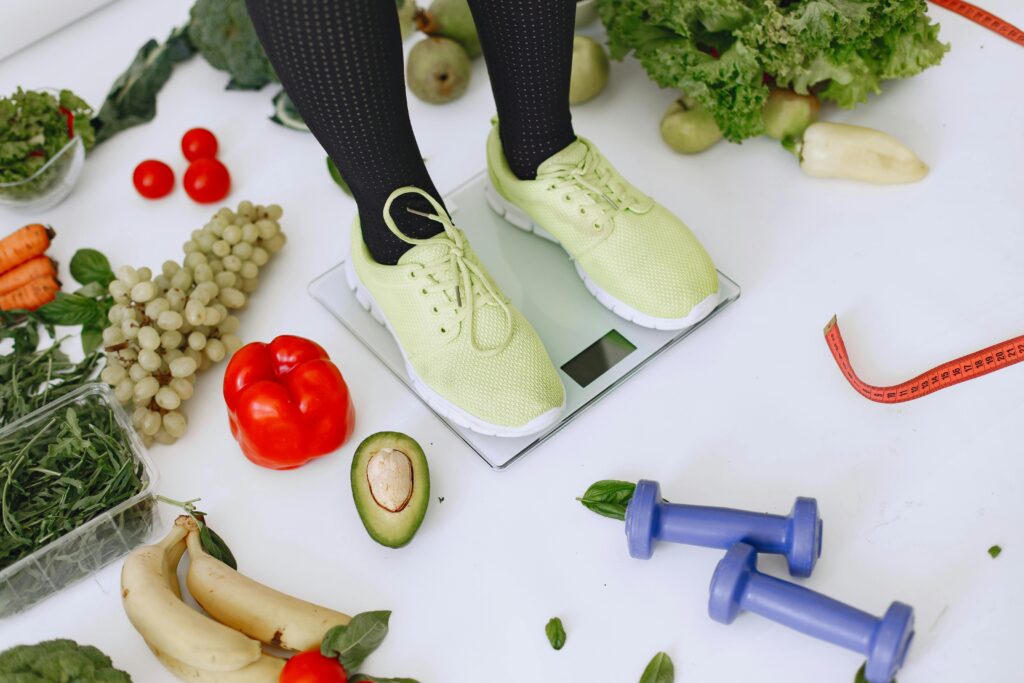
- Know Your Starting Point
What to Track
Why it Matters
Weight & Body-Mass Index (BMI)
Gives a baseline; check for trends, not daily fluctuations.
Waist circumference
A more sensitive indicator of abdominal fat (cardiovascular risk).
Body composition (if available)
Helps distinguish muscle vs. fat loss.
Blood pressure & basic labs (fasting glucose, cholesterol)
Flag hidden health issues that could influence weight.
Tip: If you have a medical condition (e.g., thyroid disease, PCOS, diabetes), start with a doctor or dietitian. - Create a Sustainable Calorie Deficit
- Calorie goal:
o Rough rule: 500-1000 kcal less than your daily maintenance → ~0.5–1 kg loss per week.
o Use an online calculator or app (e.g., MyFitnessPal, Cronometer) to estimate maintenance calories. - Macronutrient split (adapt to taste & activity):
o Protein: 25–35 % → keeps muscle, promotes fullness.
o Healthy fats: 20–30 % → hormones, satiety.
o Carbs: 40–55 % → energy for workouts & daily life.
Pro tip: Prioritize protein-rich foods (chicken, fish, tofu, beans) in every meal to support lean mass.
- Eat the Right Foods, in the Right Portions
Food Group What to Focus On Portion Cue
Vegetables Non-starchy, fiber-rich (broccoli, spinach,
peppers). 2–3 cup equivalents per meal.
Whole grains Brown rice, quinoa, oats, whole-wheat
bread. ½ cup cooked or 1 slice.
Proteins Lean meats, fish, eggs, legumes, low-fat
dairy. One palm-sized portion.
Fats Avocado, nuts, seeds, olive oil. One thumb-sized amount (~1 tsp
oil).
Fruits Berries, apples, oranges – in moderation. 1 cup or one medium fruit.
Sugar & refined
carbs
Minimize sugary drinks, pastries, white
bread.
Avoid unless at the beginning of
a meal.
Portion control hacks - Use smaller plates – visual trick reduces portions.
- Mindful eating – chew slowly, pause between bites, listen to hunger/fullness cues.
- Hands as measuring tools
o Protein: palm of hand.
o Carbs: fist.
o Fats: thumb.
o Veggies: cupped hand. - Stay Hydrated
- Goal: 2–3 L/day (≈8–12 cups).
- Why it matters:
o Helps control hunger (sometimes thirst masquerades as appetite).
o Boosts metabolism and exercise performance.
o Aids digestion and toxin removal.
Quick reminder: Drink before you feel thirsty, especially if you exercise or live in a hot climate.
- Move Your Body—All-Day, Not Just Workouts
Activity How to Integrate Frequency
Cardio Walking, jogging, cycling,
dancing.
150 min moderate or 75 min vigorous per
week (e.g., 30 min 5×).
Activity
How to Integrate
Frequency
Strength training
Body-weight, resistance bands, free weights.
2–3× per week, 8–12 reps per set.
Daily movement
Take stairs, stand/desk, quick stretch breaks.
Throughout the day.
Recovery
Stretch, foam rolling, yoga, sleep.
Prioritize 7–9 h/night.
Pro tip: Incorporate “active” tasks into routine chores—do squats while washing dishes, or take a brisk walk after dinner. - Build Healthy Lifestyle Habits
Habit
Why it matters
Quick action
Sleep
Hormones that control hunger (ghrelin, leptin) respond to sleep quality.
Aim 7–9 h, consistent bedtime.
Stress management
Chronic stress can elevate cortisol, promoting fat storage.
Meditation, deep breathing, nature walks.
Consistency over perfection
Tiny slip-ups don’t ruin a program.
Keep a weekly review, adjust, not cancel.
Social support
Accountability boosts adherence.
Share goals with friends or join a group. - Track Progress, Not the Scale Alone
- Weekly weigh-ins (same time, same clothes) – trend over months, not day-to-day spikes.
- Body measurements (waist, hips, thighs) – spot fat loss even if scale stays flat.
- Food journal or app – identify patterns, hidden calories, emotional eating.
- Mood & energy logs – link nutrition & activity to wellbeing.
Caution: If you see a sudden, rapid drop (≥2 kg in a week) or if you feel weak, consult a professional.
- Common Pitfalls and How to Avoid Them
Pitfall
Fix
Crash diets (e.g., <800 kcal/day)
Not sustainable, risk nutrient deficiency & metabolic slowdown.
Pitfall
Fix
Skipping meals
Leads to overeating later; keep regular, balanced meals.
Relying on “fat-burn” supplements
Most lack evidence; focus on diet & exercise.
Ignoring medical conditions
If you have thyroid issues, diabetes, or take medications that affect weight, seek tailored advice.
Comparing to others
Every body is unique; focus on personal health markers. - When to Seek Professional Guidance
- You have a medical condition (thyroid, diabetes, heart disease).
- You’re taking medications that influence weight (e.g., steroids, antidepressants).
- You’re pregnant or breastfeeding.
- You experience unexplained rapid weight loss or gain.
- You want a customized meal plan or supervised exercise program.
A registered dietitian or certified personal trainer can design a program that fits your unique biology and lifestyle.
- Quick “Starter Pack”
Day
Breakfast
Lunch
Snack
Dinner
Activity
Mon
Greek yogurt + berries + chia
Grilled chicken salad (mixed greens, olive oil)
Apple + peanut butter
Baked salmon + quinoa + steamed broccoli
30 min brisk walk
Tue
Oatmeal with banana + cinnamon
Turkey & avocado wrap (whole-wheat tortilla)
Carrot sticks + hummus
Stir-fry tofu + mixed veggies + brown rice
20 min strength (body-weight)
Wed
Smoothie (spinach, protein powder, almond milk)
Lentil soup + side salad
Handful nuts
Chicken breast + sweet potato + green beans
40 min bike ride
…
…
…
…
…
…
(Feel free to swap meals or adjust portions to match your calorie target.)
Bottom Line
- Make a modest calorie deficit with balanced meals rich in protein, fiber, and healthy fats.
- Move consistently: combine cardio, strength, and daily activity.
- Support the change with adequate sleep, hydration, stress management, and social accountability.
- Track thoughtfully—look for trends, not daily spikes.
- Check in with a professional if you have health concerns or need a tailored plan.
Stick to these core principles, stay patient, and celebrate